Skip to content
The rise of AI has reshaped how businesses approach search visibility and digital strategy. As automation and machine learning become part of everyday optimisation, many organisations are reassessing long-established methods and turning to AI SEO. This article will walk you through how AI-powered SEO compares with traditional SEO and what these changes mean for modern digital marketing.
Understanding the Shift From Traditional SEO to AI SEO
The transition from traditional SEO to AI-driven methods has been gradual but significant. Traditional SEO relied heavily on manual research, human judgement, and step-by-step optimisation.
AI SEO consists of automated analysis, predictive modelling, and scaled processing that can evaluate data faster and more consistently. This shift can be seen in numerous industries that want to move towards efficient, real-time insights and improve their understanding of user behaviour.
Traditional SEO Foundations: Manual Processes and Human-Led Optimisation
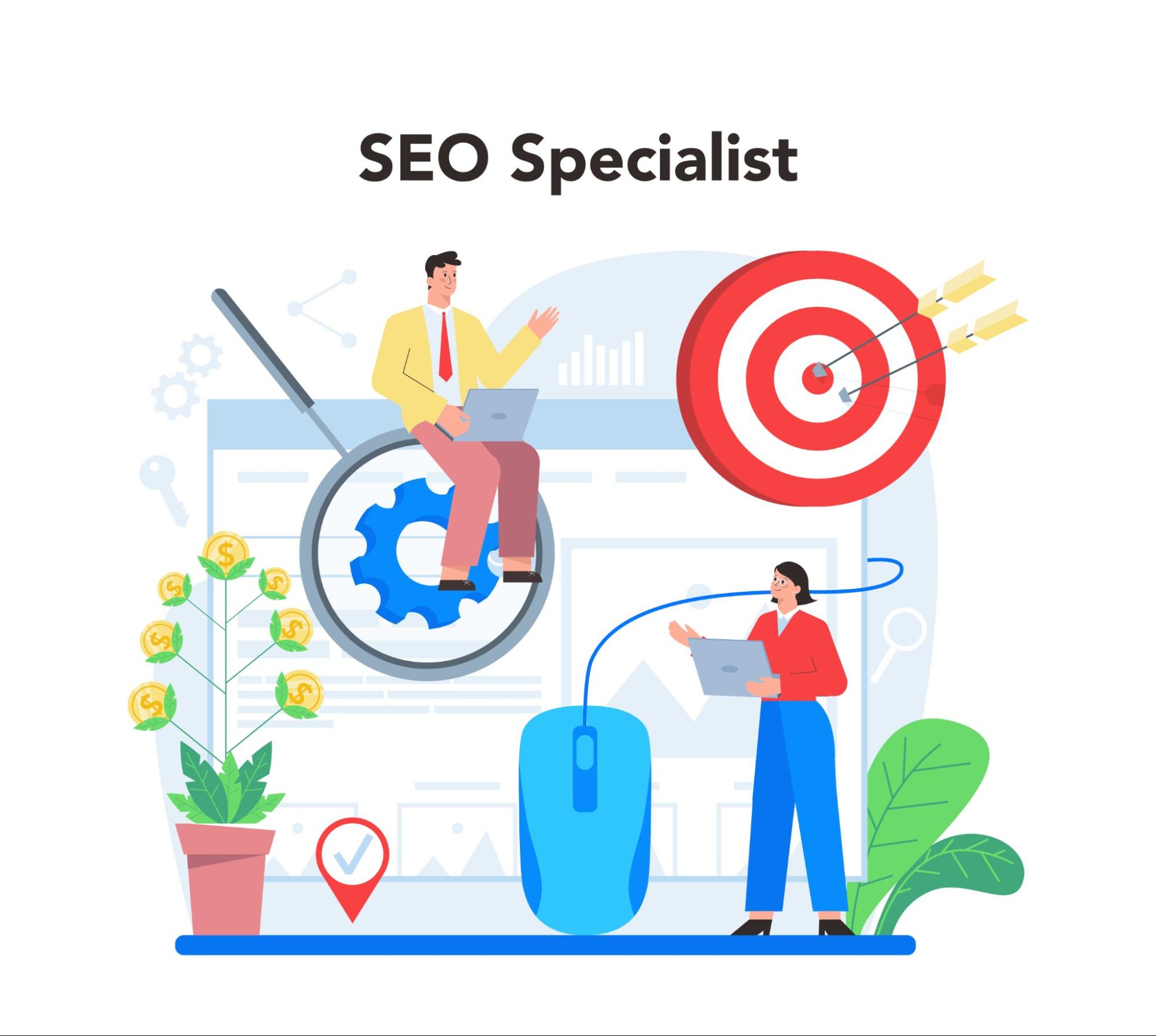
Traditional SEO is rooted in human expertise and manual decision-making, with SEO specialists reviewing keyword data, competitor information, then crafting content around observed patterns. This way of optimisation often involves manual audits, link assessments, and adjustments made page by page.
While this approach offers a high degree of control, it can be time-consuming and limited in scale. Human-led strategies remain valuable, but they tend to require more resources, especially when managing large or complex websites.
How AI for SEO Works

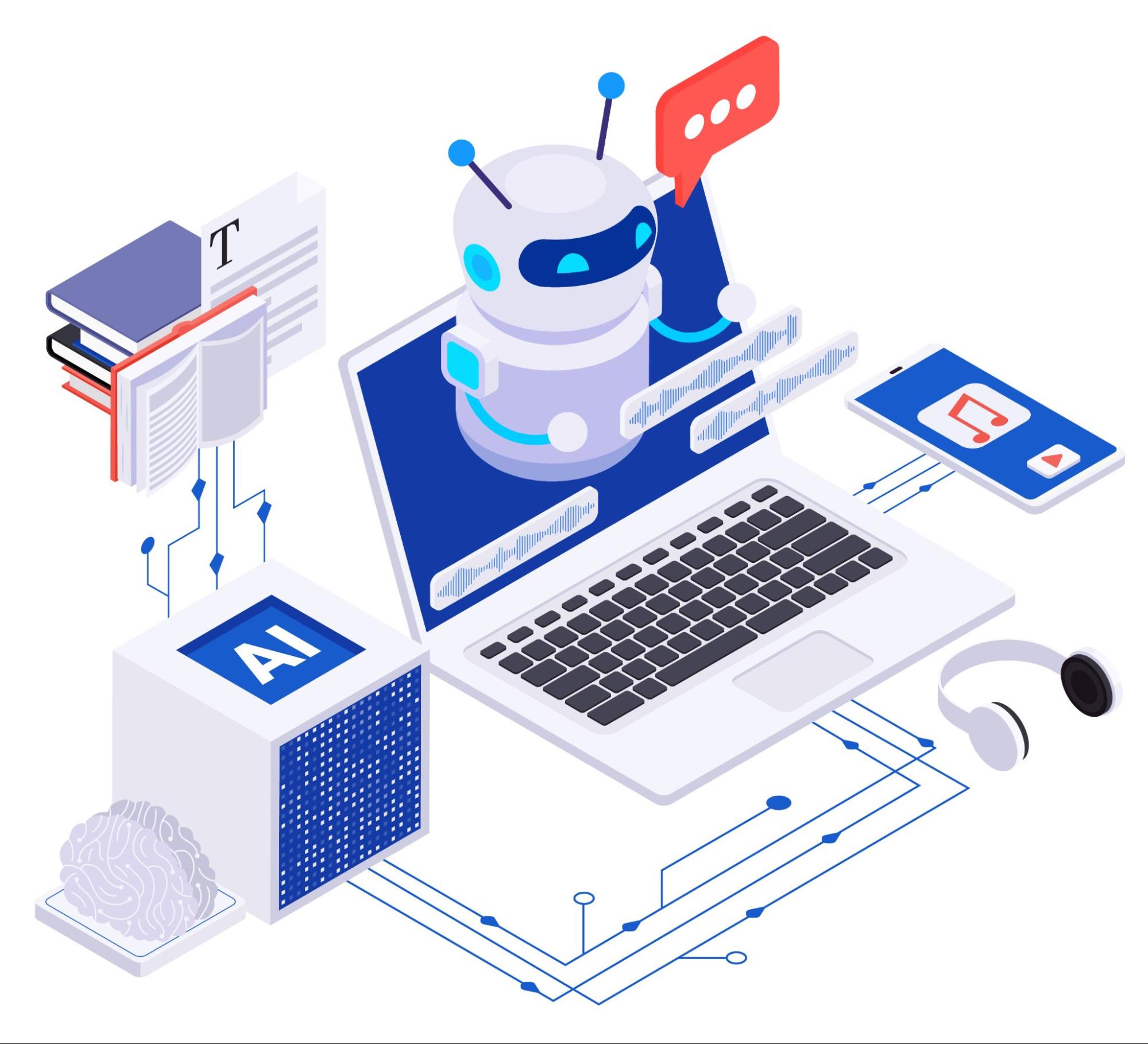
On the other hand, utilising AI for SEO consists of machine learning and predictive analysis to identify patterns and opportunities that may not be visible at first glance through manual review. These technologies can interpret user intent, evaluate content quality, and anticipate ranking trends based on large datasets.
Thanks to AI systems, the processing time for information is greatly increased which helps companies prioritise tasks and identify technical issues early on. Unlike what most people assume, rather than replacing traditional methods entirely, AI acts as an added layer of data-driven insight.
Key Differences Between AI-Driven and Traditional SEO Approaches
Both approaches share the same goal, but they differ in how they achieve it;
- Traditional SEO relies on manual keyword research; AI SEOuses predictive intent modelling.
- Traditional audits are periodic; AI systems enable continuous, automated monitoring.
- Traditional content optimisation is human-driven; AI SEOoffers automated content analysis.
- Insights in traditional SEO are based on observation; AI uses real-time, data-rich forecasting.
- Traditional processes scale slowly; AI enables faster and broader optimisation.
These distinctions highlight why many businesses are now exploring AI-supported SEO strategies while maintaining human oversight.
Content and On-Page SEO: What AI Does Differently
Compared to traditional means, AI brings a more analytical and pattern-based approach to content and on-page optimisation, such as:
- Identifying content gaps withgreater accuracy using large datasets.
- Automated on-page recommendations based on semantic analysis.
- Assessing content quality in real time.
- Evaluating user intent to guide structure and tone through AI tools.
- Internal linking opportunities are surfaced automatically.
These capabilities help companies and SEO specialists create content that aligns closely with user expectations while maintaining consistent on-page quality.
What Businesses Should Consider: Risks and Ethical Use of AI in SEO

Before adopting AI SEO, businesses should be aware of these factors:
- AI tools may generate inaccurate insights without proper human review.
- Over-reliance on automation can reduce strategic thinking.
- AI-generated content requires careful moderation for originality.
- Ethical use matters as transparency and responsible application are essential.
- Data protection and tool compliance should be evaluated.
It is important to balance AI-driven SEO with human oversight. For organisations who want to use AI in SEO optimization but don’t know where to start, W360 Malaysia is a digital marketing agency that can help you adopt AI SEO responsibly and effectively.
Shift to AI-Powered SEO With W360 Malaysia
At W360 Malaysia, we support businesses transitioning to AI-enabled optimisation by combining technical expertise and AI powered digital marketing. If your organisation is looking to integrate AI tools, refine your search strategies, boost visibility, or improve content quality, consider partnering with W360 for SEO AI solutions.
Contact us today for a free consultation!
FAQ
- What is the main difference between AI SEO and traditional SEO?
The primary difference lies in how data is processed. Traditional SEO relies on manual research and human judgement, while AI SEO uses automation, machine learning, and predictive modelling to analyse information.
- Can AI replace human SEO specialists?
AI can streamline many technical and analytical tasks, but human expertise is still needed for strategy and creative decision-making. AI works best as a support tool rather than a complete replacement.
- Is AI-generated content safe to use for SEO?
AI-generated content can be useful when moderated carefully. It should always be reviewed, edited, and aligned with brand guidelines to ensure accuracy, originality, and compliance with search quality standards.
- How can a business start transitioning to AI SEO?
A practical approach is to adopt AI tools gradually, beginning with keyword analysis, content audits, or technical monitoring. Businesses seeking structured guidance may work with agencies experienced in using AI for SEO, such as W360 Malaysia.